South African Wine
The Grape South Africa Made, and Nobody Else Wanted
Oct
Pinotage spent most of its first century being apologised for. It is now the Cape’s most distinctive red, and the only one that is entirely its own.
Pinotage was born in 1924, when Abraham Perold — Stellenbosch University’s first professor of viticulture — dusted the flower of a Cinsaut vine with pollen from Pinot Noir. Cinsaut was known locally as Hermitage, so the cross took the name Pinot + Hermitage. He planted the four resulting seeds in his garden in 1925, then left the university, and the garden grew over. A young academic, Charlie Niehaus, spotted the seedlings before the grounds crew did and rescued them. Everything that followed came from those four seeds.
For most of the century after that, it had a reputation it did not entirely deserve. Over-cropped, over-extracted, picked too late and too often tasting of burnt rubber or acetone — faults of farming and cellar work rather than of the grape itself. By the 1980s plenty of people in the Cape wanted it pulled up.
The man who changed its mind
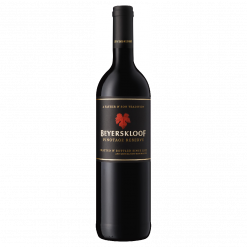
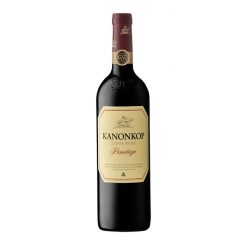
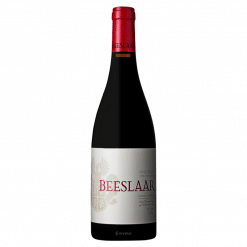
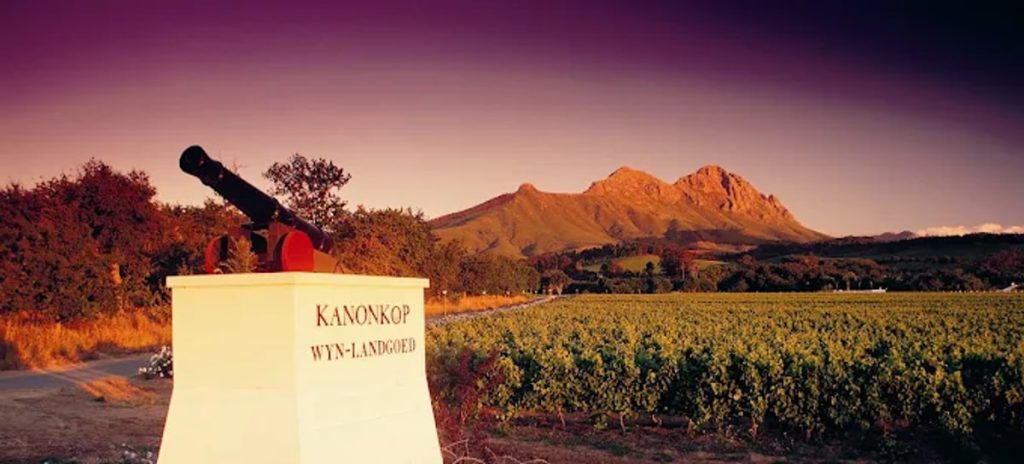
That Pinotage is gone, and one man is largely why. Beyers Truter arrived at Kanonkop in 1981, aged 25, as only its third winemaker, and spent two decades proving the grape could be taken seriously. It was his 1989 Kanonkop Pinotage that won him the Robert Mondavi Trophy for best winemaker in the world in 1991 — for a grape the rest of the world was still laughing at. He founded the Pinotage Association in 1995, started Beyerskloof, and has been “Mr Pinotage” ever since. Abrie Beeslaar took the Kanonkop cellar after him and was named IWSC Winemaker of the Year in 2017, the second Kanonkop winemaker to manage it.
The style changed with them: picked earlier, handled gently, aged in older wood rather than drowned in new oak. What comes out is dark cherry and plum, crushed violets, a thread of woodsmoke and genuinely fine tannin.
The second revolution: blending it
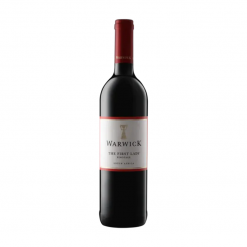
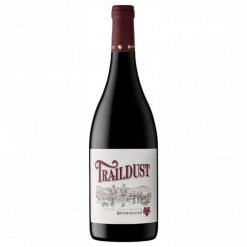
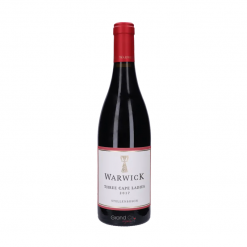
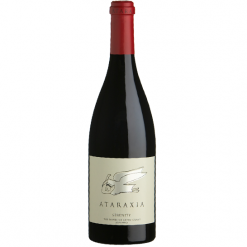
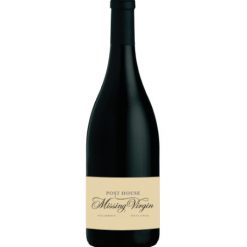
Warwick made the first wine anyone called a Cape Blend — Three Cape Ladies, Pinotage with Cabernet alongside — and Beyerskloof put the words on a label in 2001. The rule is simple: between 30 and 70 per cent Pinotage, and the rest is the winemaker’s argument. The best of them are still being made by people chasing that argument: Beyerskloof sets Pinot Noir back beside it in Traildust, Ataraxia adds Cinsaut and Pinot Noir to Serenity — the grape with both of its own parents in the glass — and Post House props up Missing Virgin with Petit Verdot.
- Created
- 1924, by Abraham Perold at Stellenbosch University; the four seeds planted in 1925
- Parents
- Pinot Noir × Cinsaut — then called Hermitage, hence Pinot-tage
- First bottling
- 1961, under the Lanzerac label — the first commercially bottled Pinotage in the world
- Plantings today
- 7.2% of South Africa’s vineyard, third among red varieties behind Shiraz and ahead of Merlot
- Cape Blend
- A red blend containing 30–70% Pinotage
- Its day
- International Pinotage Day, the second Saturday of October
A hundred years on, the grape nobody wanted is the one the Cape is known for. Worth opening a bottle.
Our Pinotage
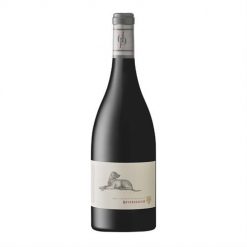
From an entry-level rosé to Kanonkop and Beeslaar — every Pinotage and Cape Blend we have in stock.